
Digital marketing involves using apps, websites, social media, search engines and other digital channels to sell and promote services and products. This type of marketing typically supplements traditional marketing methods, offering an accessible, innovative approach to engage with and analyse the behaviour of customers.
What Are the Benefits of Digital Marketing?
There are many benefits to using digital marketing. As well as allowing businesses to reach a wider – even global – audience, it’s cost-effective compared to other types of marketing, meaning that all businesses, no matter their size, can compete on a more even playing field. Digital marketing also allows for precision targeting, with organisations empowered to tailor their messages to specific consumer behaviours, demographics or interests, so the message reaches the right audience.
There are more advantages, too. Digital marketing increases engagement, allowing businesses to connect with their customers in real time to foster loyalty and build stronger relationships, and improves conversion rates. Furthermore, the ability to measure and track results in real time, to understand what’s working and what’s not, means businesses can adjust their strategies accordingly to deliver optimum results.
Important Elements of a Digital Marketing Strategy
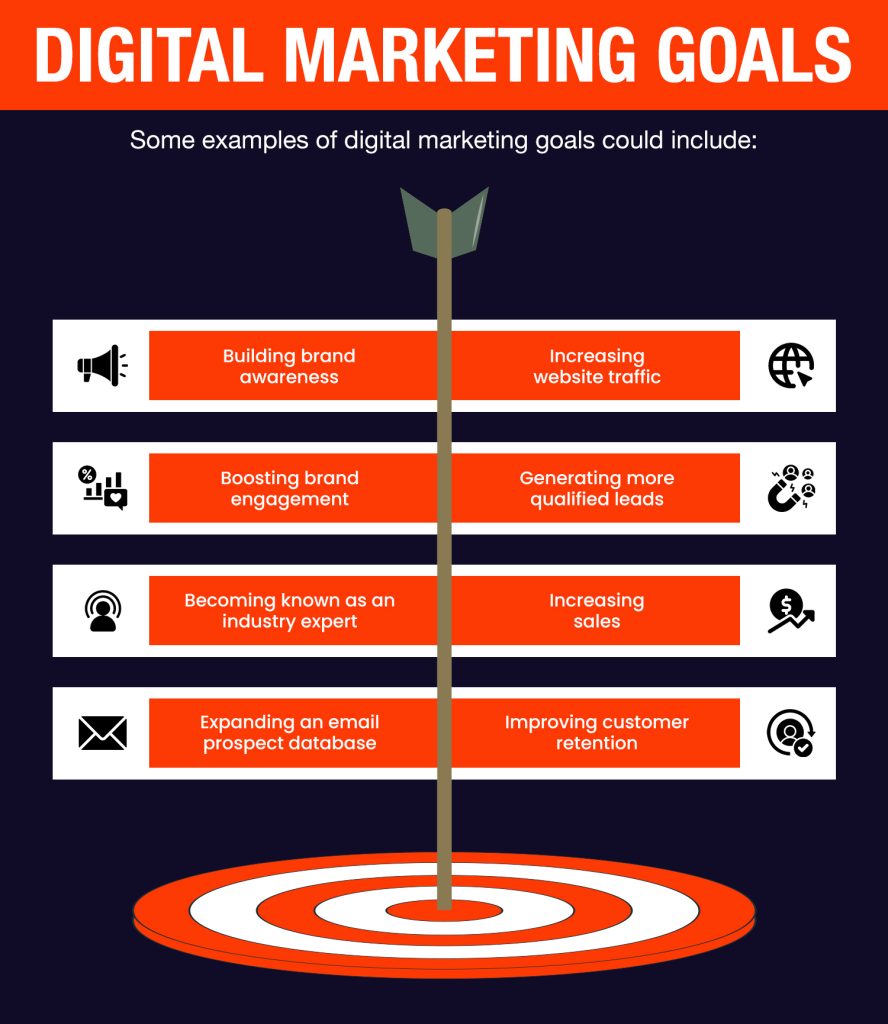
Successful entrepreneurs, such as Volker Hartzsch, know that there are several key elements to any effective digital marketing strategy. Search engine optimisation (SEO) plays a pivotal role and involves optimising digital content for search engines, while targeted advertisements enable businesses to reach the right people at the right time. Social media platforms allow businesses to share content and interact with their audience to build a community around their brand and boost visibility, while making the most of influencer marketing can help introduce a brand to new followers.
Also key to a successful digital marketing strategy is media outreach. By engaging with media outlets businesses can enjoy a significant boost to visibility by having their brand or products appear in online articles or news segments.
Key Performance Indicators
As with traditional marketing, digital marketers use key performance indicators (KPIs) to track the efficacy of their campaigns and compare their success with that of competitors. Some of the most common KPIs used in digital marketing include click-through rate and conversion rate. The former counts how many people clicked on a particular advertisement (as a percentage of all those who may have seen it), while the latter compares how many people took the desired action (such as visiting a website) to the total audience reached. Other commonly used KPIs assess website traffic and social media traffic.