
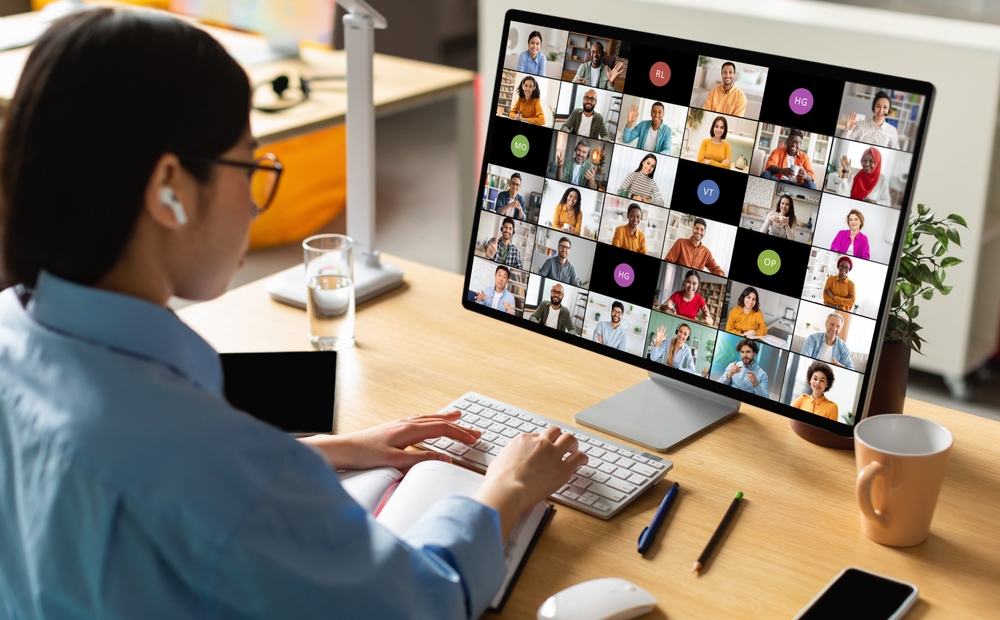
In the aftermath of the 2020 COVID-19 pandemic, it’s almost unheard of for office employees to attend their workplace five days a week. The rise of remote and hybrid policies has disrupted traditional working models, providing a more flexible alternative that promotes the optimal work–life balance. Despite some pushback, most companies have maintained these modern working policies.
Employee satisfaction rates indicate a preference for remote working. Those with extensive business experience – like Volker Hartzsch, who has coached over 180 people to professional success – understand the value of having happy employees. However, many managers struggle to connect with teams split between the office and their own homes.
Flexibility is the foundation for successfully managing a remote team. Certain tasks, like scheduling meetings or arranging projects with multiple people, take more work when employees are not physically present, but they also provide managers with the opportunity to master digital communication tools. It’s also possible to carve out time for check-ins and team meetings remotely.
The manager also remains responsible for supporting employees and fostering strong professional relationships. In a remote team, there aren’t as many opportunities to socialise with colleagues as there are in an office, so managers provide a platform for personal connection. Scheduling one-on-ones, team activities and non-working opportunities to celebrate as a group are all good ways to boost morale and reduce feelings of isolation.
Being a good manager is also about gathering feedback to ensure the team is working as cohesively as possible. Work-from-home policies are generally flexible, so team members may be working on different schedules, but it is the manager’s job to hold them together as one. Learning what works for each employee and how to improve remote working encourages loyalty and productivity.
Many managers find opportunities to develop themselves as they adapt to hybrid working models. New technologies and virtual training innovate workflows and update skillsets, ensuring that leaders evolve with the professional world. Patience, empathy, time management and communication all improve as a result.
The key to mastering modern management is to create the perfect balance of leadership and employee autonomy. Workers should know what is expected of them and have clear tasks to complete, but managers may also find value in giving them more control over certain aspects of their jobs. It’s all about remaining present, even at a physical distance, fostering connections and offering support and professional guidance. Managers who lead by example motivate their employees and create a high-functioning, successful remote working environment.